


Vacuum Dewatering Pump
Vacuum Dewatering Pump
Vacuum Dewatering Pumps: A Game-Changer in Concrete Flooring
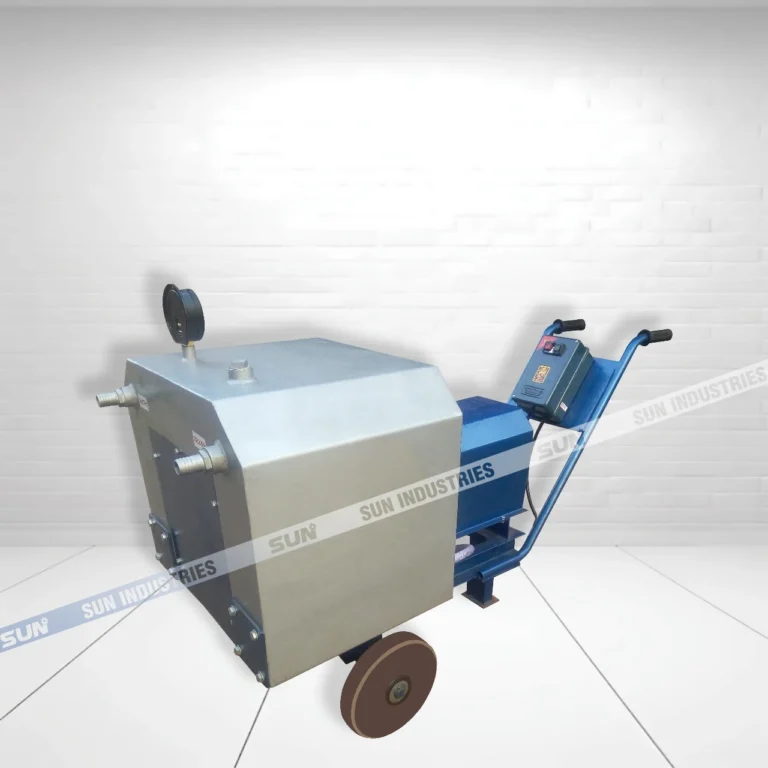
Vacuum dewatering pumps are specialized construction machines designed to improve the quality and durability of concrete flooring. When concrete is freshly poured, it contains more water than required for hydration. This excess water, if left to evaporate naturally, can weaken the top surface, leading to dusting, cracking, and reduced strength. Vacuum dewatering addresses this issue by rapidly removing surplus water from the concrete surface before it sets. This process not only accelerates setting time but also results in a denser, stronger, and more wear-resistant floor – making the equipment especially useful in large-scale flooring projects such as industrial buildings, warehouses, and pavements.
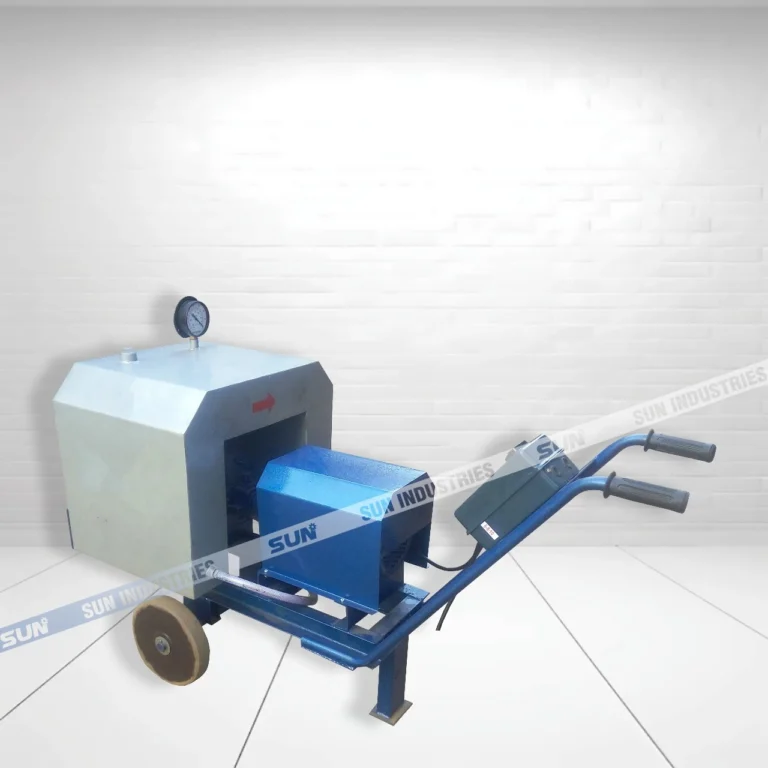
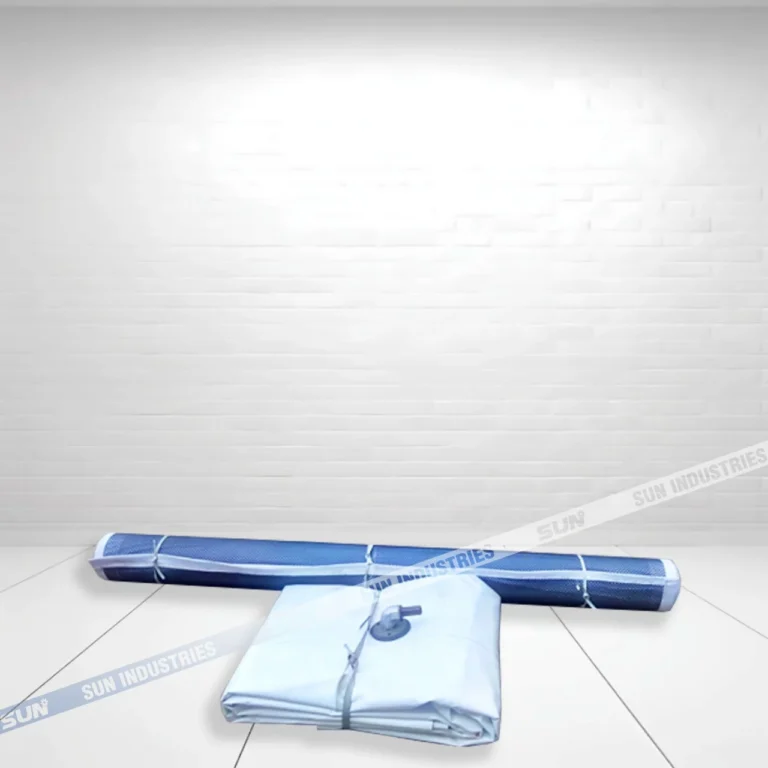
The vacuum dewatering system consists of a few key components that work together to carry out the water extraction process. The main unit is the vacuum pump, which generates the negative pressure needed to suck out the water. Attached to this pump are suction mats – filter-like covers that are laid over the freshly leveled concrete surface. These suction mats work in conjunction with a filter mat layer inside, which ensures fine cement particles remain undisturbed while water is drawn out. These mats are designed to allow only water to pass through while retaining cement and fine particles, preserving the mix’s integrity. Suction hoses connect the mats to a water separator tank, which collects the removed water and prevents it from entering the vacuum pump itself. The entire setup is powered by an electric motor, ensuring flexibility across different types of construction environments.
Once the concrete is poured and leveled, the suction mats are laid in place and connected to the pump. When activated, the pump draws excess water out through the mats into the separator tank, a process that typically lasts 15 to 20 minutes depending on the thickness of the slab and surrounding weather conditions. After dewatering, the surface is finished using power trowels or floaters, resulting in a smooth, hardened surface with excellent compressive strength and minimal surface defects. By ensuring a faster, more controlled setting process and a polished, durable finish, vacuum dewatering pumps continue to be a vital asset in modern concrete construction.
Frequently Asked Questions
They are typically used in:
- Industrial flooring projects
- Factory and warehouse slabs
- Concrete pavements
- Commercial complexes
- Parking areas and large concrete surfaces
Here's some instructions you might want to keep in mind:
- Ensure proper grounding of the electric motor before starting
- Use insulated gloves when handling electrical components
- Avoid water contact near the motor or power source
- Check all hose connections and suction mats for secure fit before switching on
- Do not step on suction mats while the pump is running
- Clean the separator tank regularly to avoid clogging and motor strain
- Follow the manufacturer’s operating instructions at all times
Regular care helps prevent downtime and extends the equipment’s life.
- Daily: Rinse mats and suction hoses, and drain the separator tank
- Weekly: Inspect filters and hose connections for wear or leakage
- Monthly: Check motor function, electrical cables, and clean the water separator thoroughly


