


Concrete Vibrator Machine
Concrete Vibrator Machine
Concrete Vibration Machine: Concrete Compaction Companion
A concrete vibration machine is an essential tool used in construction to ensure the strength and durability of concrete by eliminating trapped air pockets and ensuring the even distribution of aggregates. When concrete is poured into a mold or formwork, it may contain voids and air bubbles that weaken its structural integrity. A concrete vibrator solves this issue by agitating the mix, allowing the concrete to settle more compactly.
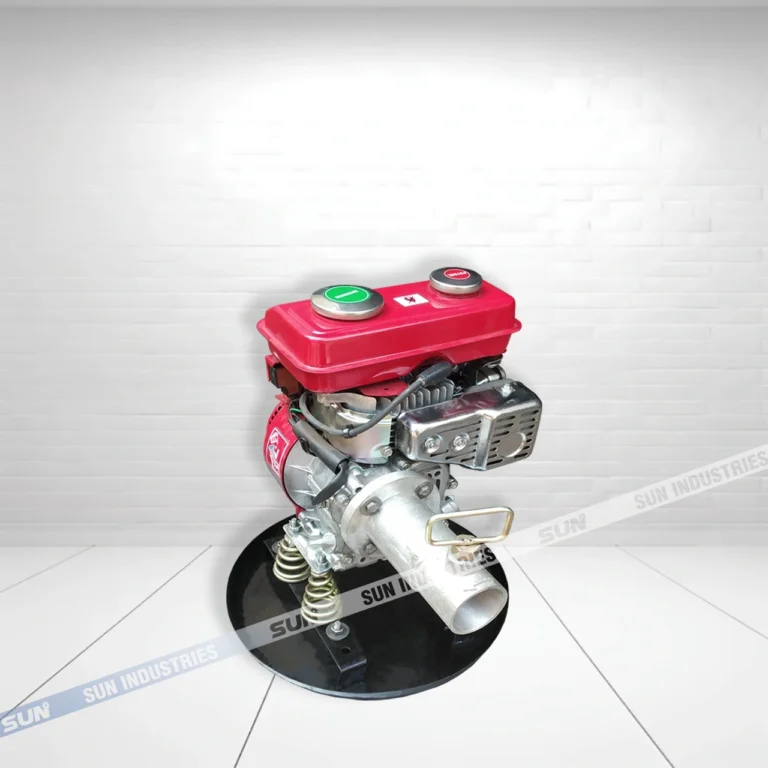
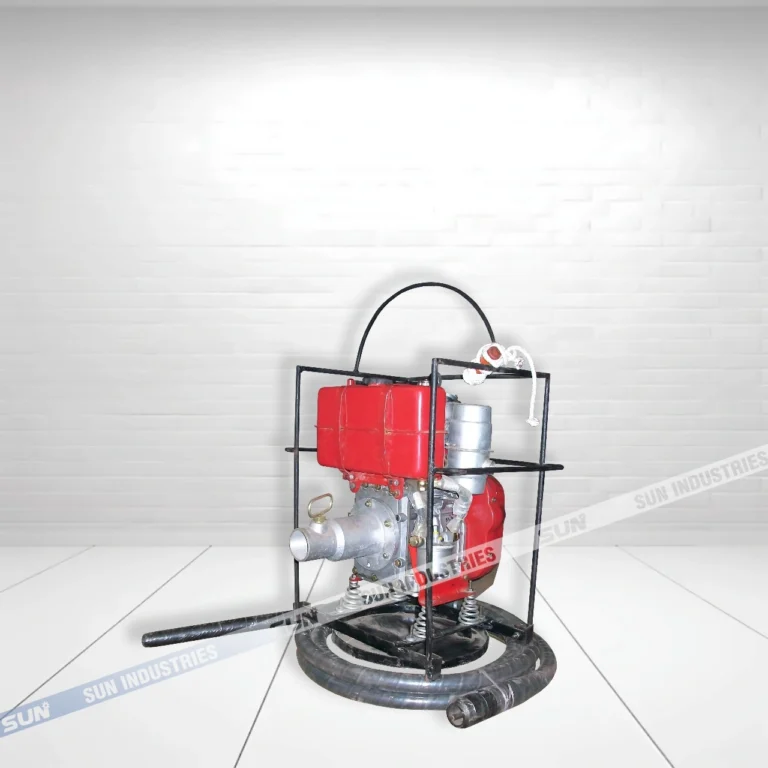
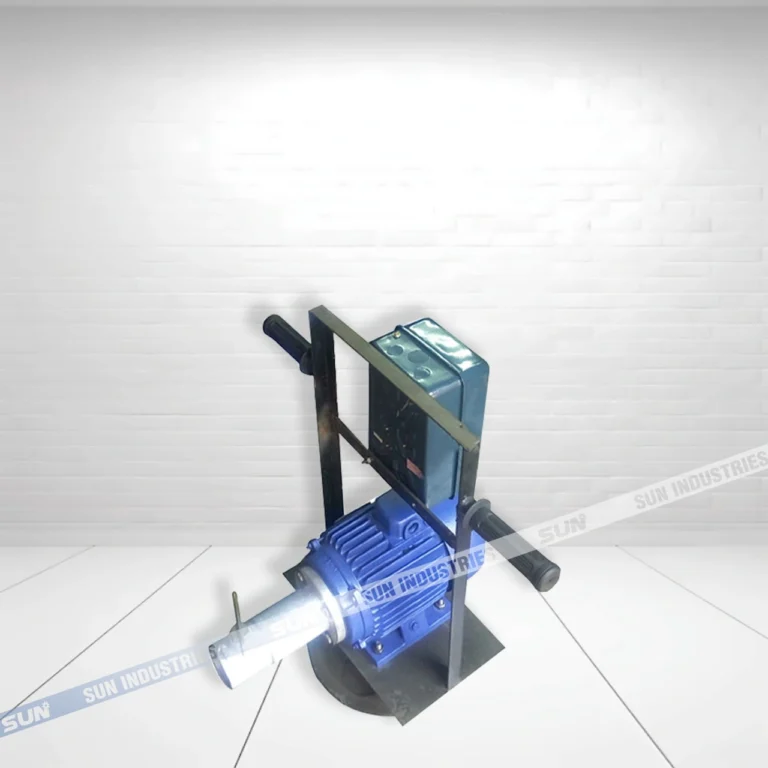
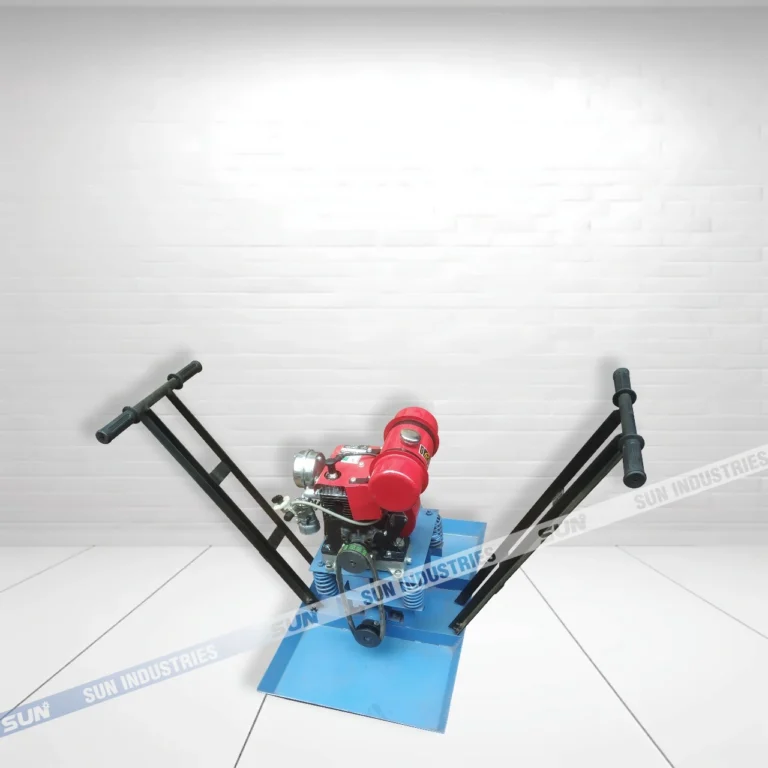
The machine typically consists of several key parts: a vibrating needle or poker, a flexible shaft, and a motor unit (which can be electric or petrol-driven). The needle, made of steel, is inserted into the freshly poured concrete. It houses an internal eccentric weight that spins at high speed when powered. This spinning motion causes the needle to vibrate rapidly. The shaft transmits power from the motor to the needle while allowing flexibility and reach across large or complex formworks. The motor provides the energy required to generate vibrations and can be portable or mounted, depending on the model.
To use the machine, the operator inserts the vibrating needle vertically into the concrete at regular intervals and holds it in place for a few seconds. The high-frequency vibrations (usually between 4,000 to 12,000 vibrations per minute) cause the concrete mix to liquefy temporarily, releasing trapped air bubbles and ensuring the mix settles into all corners of the formwork. This process is known as compaction and is crucial for achieving maximum strength, reducing honeycombing, and preventing weak spots in the finished structure.
In summary, the concrete vibration machine plays a vital role in construction by enhancing the quality and lifespan of concrete structures. Its simple design and powerful performance make it indispensable for builders aiming for precision and structural soundness.
Frequently Asked Questions
A concrete vibration machine is used to remove air bubbles and voids from freshly poured concrete. This ensures better compaction, structural integrity, and prevents surface defects like honeycombing and weak zones.
- Slabs, beams, and columns
- Foundations and retaining walls
- Road and bridge construction
- Precast concrete manufacturing
The machine helps the concrete settle evenly into the formwork, removing trapped air and ensuring the even distribution of aggregates. This significantly enhances compressive strength, durability, and finish quality.
The operator inserts the vibrating needle vertically into the wet concrete at set intervals and holds it for a few seconds. The rapid vibrations liquefy the mix temporarily, allowing trapped air to escape and the concrete to compact fully.
Ensure you:
- Always wear gloves, ear protection, and safety boots
- Do not bend the shaft beyond its recommended angle
- Never insert the needle near formwork edges; this can cause blowouts
- Turn off the machine before removing the needle from concrete
- Regularly inspect the power source, cable, and needle before use
Routine maintenance enhances lifespan and performance.
- Daily: Clean the needle after use to avoid concrete buildup
- Weekly: Check shaft alignment and motor ventilation
- Monthly: Lubricate moving parts and inspect for wear
Yes. We offer reliable spare parts and regular maintenance checks to ensure uninterrupted performance. Connect with us for servicing and product support.
Our pricing is competitive and tailored to your operational needs and project scale. Connect with us for a customized quotation.


