Browse Categories
Wrong menu selected
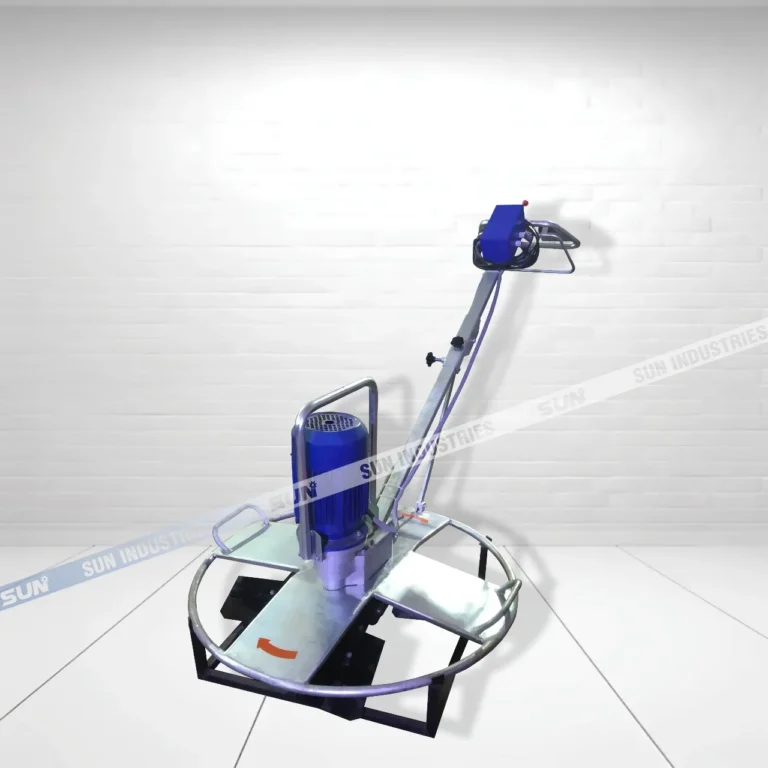
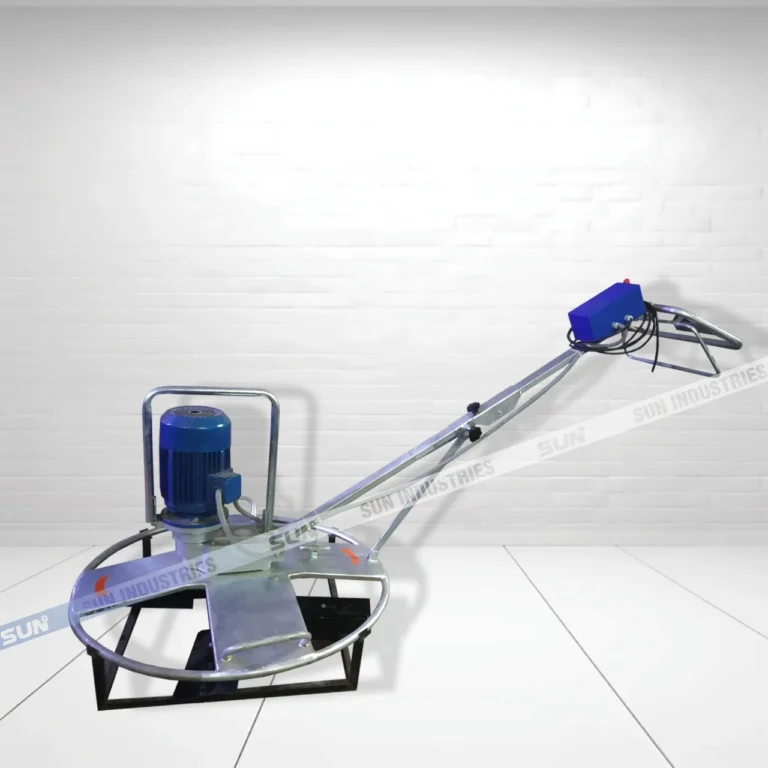
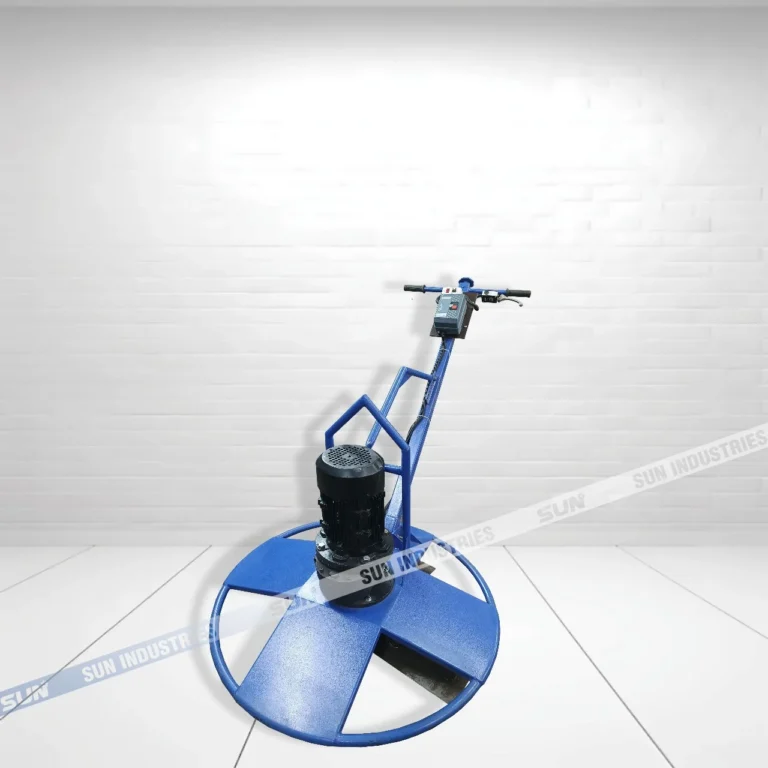
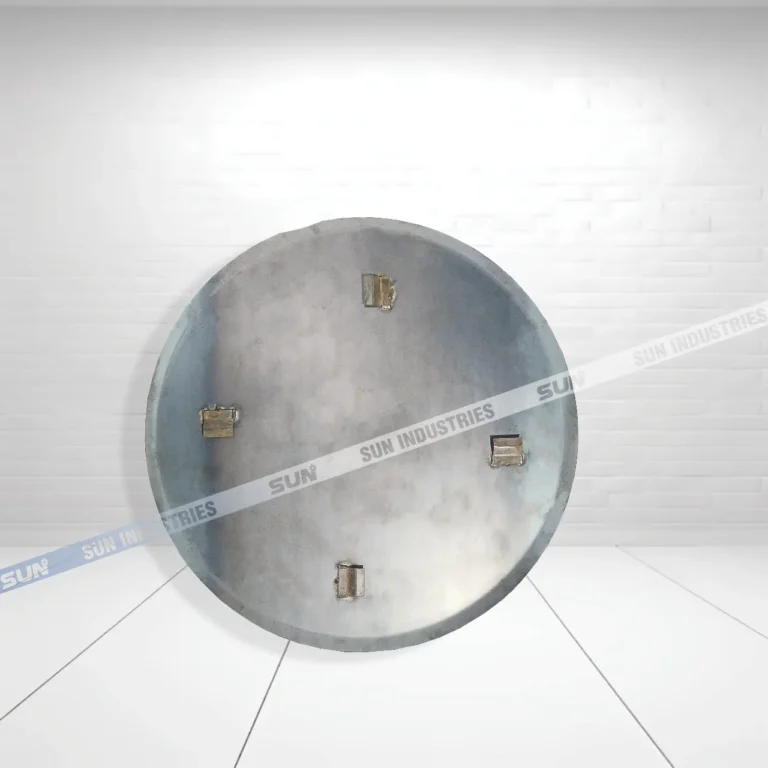
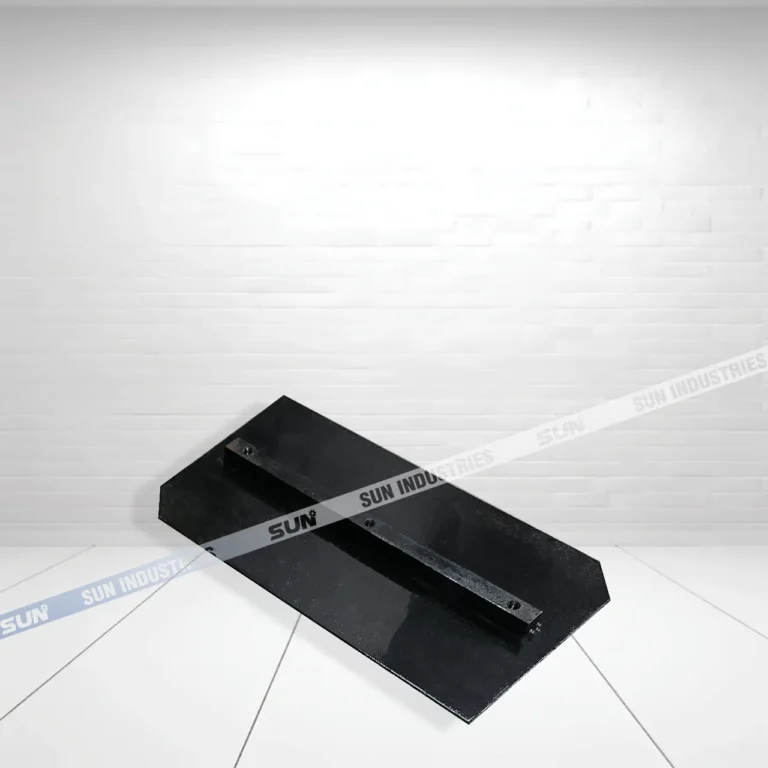
A power trowel, also known as a power float or troweling machine, is a construction tool used to create a smooth, hard finish on freshly laid concrete slabs. It is especially useful for large surface areas where manual troweling would be labor-intensive and time-consuming. The machine consists of several key components that work together to perform this task efficiently. At its core is an engine – usually powered by petrol or electricity – which drives a gearbox that transmits motion to a rotating assembly beneath the machine. This rotating assembly holds several flat metal blades known as trowel blades, which make direct contact with the concrete surface.
The machine’s design includes a spider plate that connects the gearbox to the rotor arms, and a guard ring surrounding the blades to ensure safety and maintain balance. Operators control the machine using a handle in walk-behind models or a steering mechanism in ride-on versions. A pitch control lever allows the user to adjust the angle of the blades, enabling different levels of finishing – from initial floating to final smoothing. As the blades rotate and glide over the concrete, they compact and level the surface, creating a dense, durable finish. The speed and blade angle are adjusted through the throttle and pitch controls to match the stage of concrete setting and the desired result.
Power trowels are widely used in:
Regular maintenance keeps the machine running efficiently and extends its life: