


Material Handling Trolley
Material Handling Trolley
Material Handling Trolley: Transporting Tools and Tons
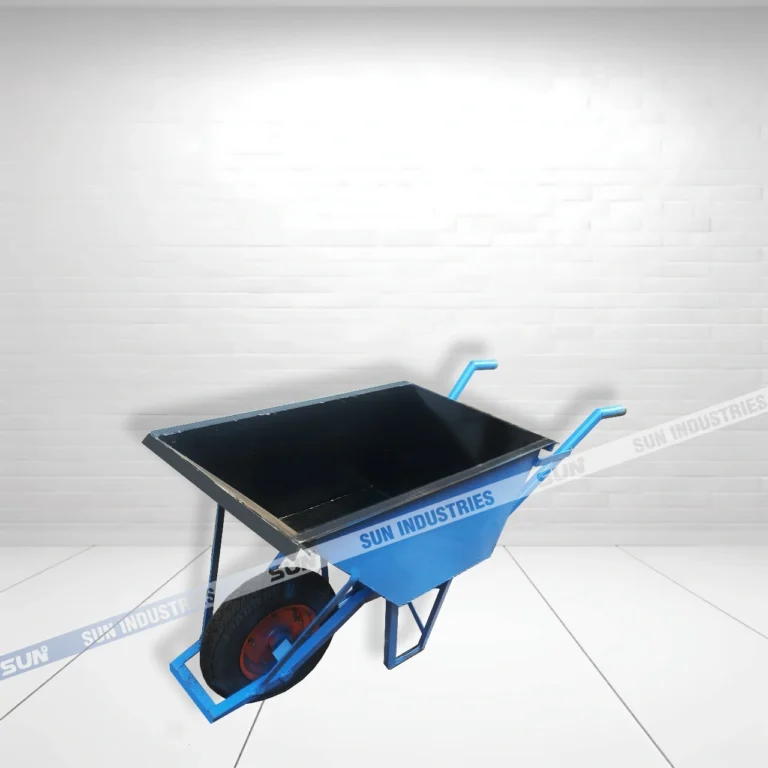
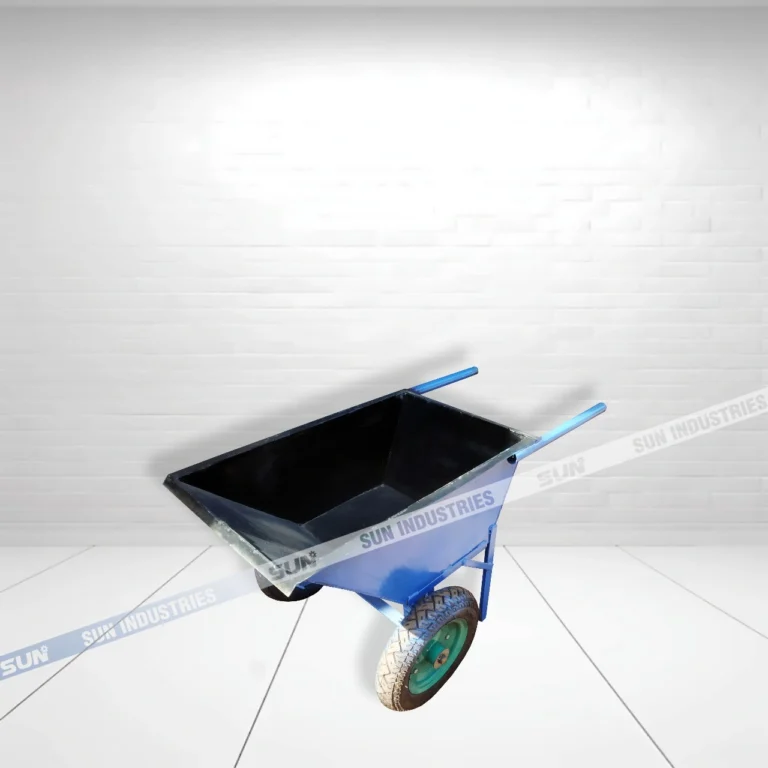
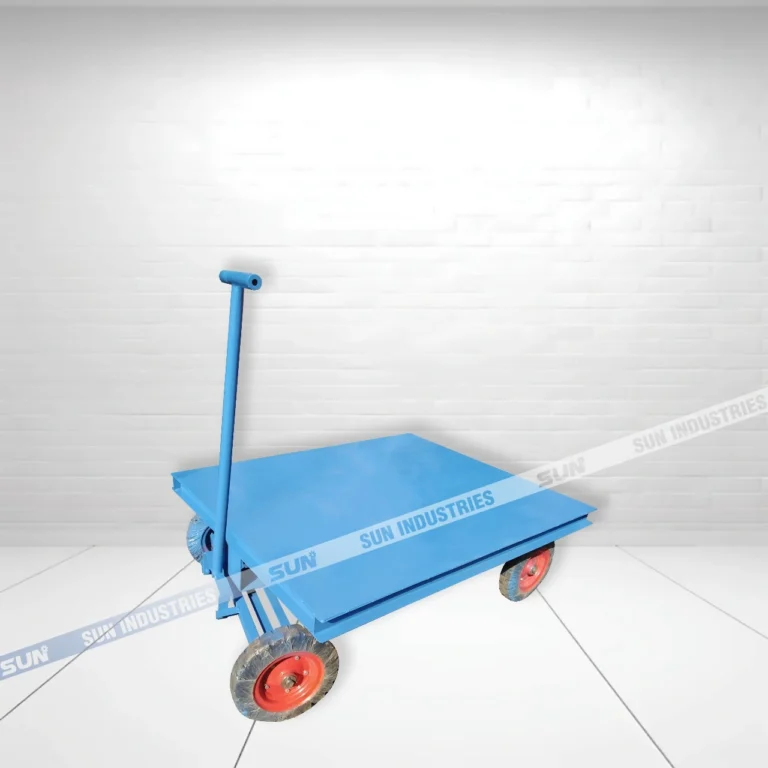
A material handling trolley is a versatile and indispensable tool designed to move heavy loads and materials with minimal human effort across short distances. Commonly used in warehouses, factories, construction sites, and workshops, this trolley significantly improves operational efficiency, safety, and ergonomics. It is built to withstand tough working environments while reducing the physical strain on workers during the transportation of goods.
The typical material handling trolley comprises several key parts: a sturdy frame, usually made of mild steel or heavy-duty metal; platform or tray, where the material is placed; wheels or casters, which may be fixed, swivel, or a combination of both for directional flexibility; and a handle for pushing or pulling the trolley. Some trolleys also include brakes for safety, guard rails to prevent items from falling off, and shelves or compartments in multi-tier models for organized storage.
The working mechanism of a material handling trolley is simple yet effective. Once the materials are loaded onto the platform, the operator uses the ergonomic handle to guide the trolley. The wheels, often equipped with ball bearings, reduce rolling resistance and allow smooth, low-effort movement. In swivel-wheel designs, the front wheels can rotate 360 degrees, enabling easy maneuvering in tight spaces. Load distribution and wheel alignment are crucial for stability, especially when handling heavier items. Some trolleys are designed for specific purposes, each tailored to a different material type or loading height.
In essence, the material handling trolley simplifies and streamlines the movement of goods, ensuring that productivity is maintained without compromising safety or quality in operations.
Frequently Asked Questions
A material handling trolley is used to transport heavy materials or tools over short distances with ease. It's essential for reducing manual strain and improving workplace efficiency and safety.
It’s commonly found in:
- Construction sites for carrying bricks, tools, or cement bags
- Factories and warehouses for raw material or inventory movement
- Workshops for tools, parts, and equipment handling
- Retail or logistics hubs for stock transport
The operator loads the materials onto the platform and pushes or pulls it using the handle. The smooth-rolling wheels and sturdy build make movement easy, even on rough or uneven surfaces. Some models also allow 360° swivel movement for tight spaces.
Ensure to:
- Never overload beyond the rated capacity
- Ensure even weight distribution across the tray
- Use brakes when stationary on sloped surfaces
- Push instead of pulling to avoid back strain
- Regularly check wheel integrity and alignment
Proper care ensures longevity and safe operation.
- Weekly: Check wheels and handle bolts for looseness
- Monthly: Lubricate bearings if needed and inspect for frame rust or damage
- Routine: Keep the platform clean and free of debris
Yes. We offer durable spare parts, wheel replacements, and maintenance checks to keep your trolley in top working condition. Connect with us for support.
Our trolleys are competitively priced based on size, capacity, and application. Connect with us for a tailored quote.


